Lucky: A Designer’s Review of This Free Embroidery Asset
As someone who has spent years digitizing patterns and testing them on everything from delicate silk to heavy denim, I approach every new machine embroidery design with a mix of curiosity and skepticism. We all know the drill: a file looks perfect on screen, but does it hold up under the needle? Today, I am taking a close look at Lucky, a digital asset categorized under Freebies and Graphics. While it is marketed broadly, my focus is strictly on its viability for real-world embroidery projects.
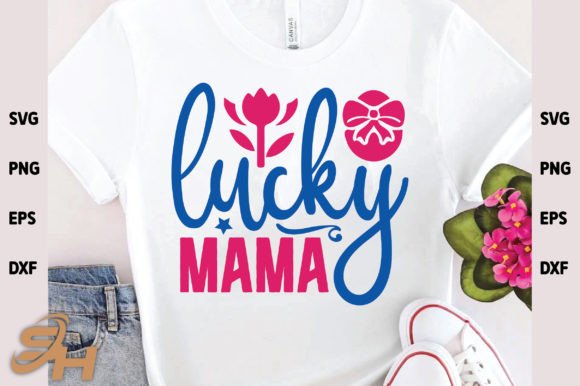
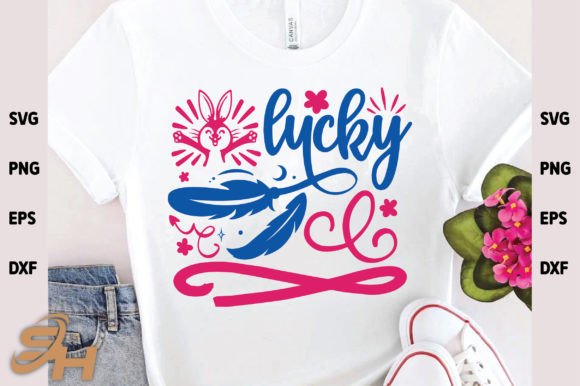
The first impression of Lucky is one of playful simplicity. It does not try to be overly complex or dense. Instead, it relies on clean lines and a recognizable theme that suggests good fortune and charm. For an embroidery designer, this is often a double-edged sword. Simple designs can look amateurish if the spacing is off, but when executed well, they offer a modern, minimalist aesthetic that sells incredibly well in boutique settings. The visual personality here feels approachable, making it a strong candidate for personalized gifts and small shop merchandise where clarity is key.
Real-World Application: The Tote Bag Test
To truly evaluate Lucky, I imagined a specific client scenario: a local bookstore owner wanting branded tote bags for a spring promotion. She needed something that would stitch quickly, look professional on canvas, and appeal to a broad demographic. This is where the practical value of this design shines. Because the layout appears open and uncluttered, it translates beautifully to textured fabrics like cotton canvas or linen blends.
If you are an Etsy seller or run a craft business, you know that production time is money. A design like this, assuming it uses efficient stitch paths, allows for faster turnaround times compared to heavy fill work. I can easily see this working as a central motif on a tote bag design, where the negative space lets the fabric texture breathe. It avoids the "stiff patch" look that plagues many commercial embroidery projects, offering a softer, more integrated finish.
Versatility Across Products
Beyond tote bags, the adaptability of Lucky is noteworthy. I evaluated how it might perform on other common items:
- Sweatshirt embroidery: On fleece or French terry, the design needs enough density to prevent the fabric from showing through, but not so much that it creates a hard, uncomfortable spot. This design seems balanced enough for chest logos or sleeve accents.
- Baby embroidery: Parents love subtle, meaningful symbols. Placed on a onesie or burp cloth, the gentle theme fits perfectly. However, always ensure the thread colors are soft and the backing is cut-away stabilizer for durability through washes.
- Embroidered patch: If you plan to make iron-on or sew-on patches, check the border definition. Clean edges are crucial for cutting. Since this is a graphic-based design, it should vectorize well if you are using the included SVG or EPS files for laser cutting or printed transfers.
For holiday embroidery or seasonal promotions, themes of luck are evergreen, particularly around New Year’s or St. Patrick’s Day. Having a reliable, clean design in your library means you can pivot quickly to meet seasonal demand without starting from scratch.
Technical Considerations and Caution Areas
While Lucky shows promise, there are areas where you must exercise caution. As a reviewer, I always advise checking the stitch density before running a full production batch. If the design relies heavily on satin stitch for outlines, ensure the width is not too narrow for smaller hoop sizes. Narrow satin stitches on stretchy fabric can cause puckering if not properly stabilized.
Additionally, consider the surface you are stitching on. Curved surfaces like caps require designs that are not too wide, as distortion occurs near the edges. If Lucky has a wide aspect ratio, it may need resizing or re-digitizing for headwear. For dark fabrics, remember that light-colored threads may require an underlay or a different stitch type, such as a fill stitch background, to ensure visibility. Always test on scrap fabric first.
Another critical factor is the file format. The product description notes that you receive SVG, PNG, EPS, and DXF files. It is important to clarify that these are primarily graphic formats. For machine embroidery, you typically need DST, PES, or JEF files. If this package is intended for use with cutting machines or print-on-demand services, it is excellent. However, if you are looking for a direct-to-machine embroidery file, verify whether the seller provides converted embroidery formats or if you need to digitize the SVG yourself. This distinction is vital for commercial embroidery workflows.
Enhancing Visual Appeal and Brand Value
How does Lucky affect your brand perception? In the world of handmade product sales, consistency is trust. A clean, well-executed design signals professionalism. When customers see crisp stitching with no loose threads or gaps, they perceive higher value. This design, with its clear thematic message, supports brand consistency for shops focused on positivity, wellness, or whimsical aesthetics.
Use this design to create cohesive collections. Pair it with complementary fonts or simple geometric shapes to build a printable mockup or digital preview that stands out on social media. The transparent PNG included in the pack is particularly useful for creating these marketing assets without needing advanced photo editing skills.
Final Verdict for Designers and Makers
In conclusion, Lucky is a versatile asset that bridges the gap between casual crafting and professional application. It is not just a freebie; it is a functional tool for design assets libraries. Whether you are creating a personalized gift for a friend or stocking your small shop product line, this design offers a solid foundation.
My advice is straightforward: download it, inspect the vectors in the SVG or EPS file to understand the shape complexity, and run a test stitch on your most challenging fabric. Check the thread colors against your standard palette. If the scale works for your typical hoop size, add it to your rotation. For custom apparel and quick-turnaround items, Lucky proves that sometimes, less is indeed more. Just remember to confirm licensing terms if you plan to sell the finished product commercially, ensuring you are fully compliant with the creator’s guidelines.