Reviewing the CRISMAS T-Shirt Design for Real Embroidery
As an experienced designer who has spent countless hours digitizing and testing machine embroidery design files, I approach every new asset with a critical eye. It is not enough for a graphic to look cute on a screen; it must translate flawlessly into thread. Recently, I downloaded the CRISMAS- T-shart Design, Cute Enough to from a collection of Freebies to evaluate its potential for actual production work. This review breaks down how this specific set of Graphics performs when moved from digital concept to stitched reality.
First Impressions and Visual Personality
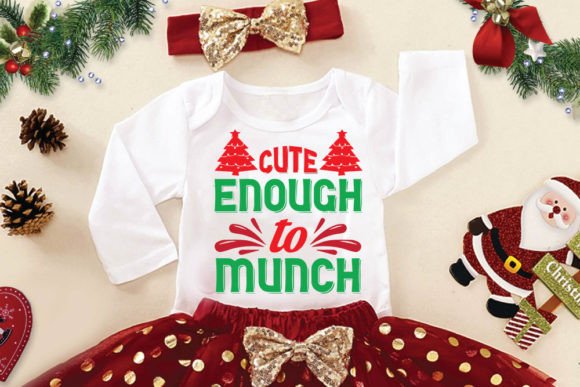
The immediate appeal of the CRISMAS- T-shart Design, Cute Enough to lies in its playful, whimsical mood. The layout suggests a lighthearted theme, likely centered around holiday cheer or cozy winter vibes, given the "Cute enough to munch" tagline often associated with festive treats. For embroidery designers, the shape and detail level are crucial. This design appears to balance open spaces with defined edges, which is essential for maintaining clarity once the needle hits the fabric.
When evaluating any embroidery file, I look for visual personality that stands out without being overly complex. This design seems to fit naturally into projects that require a touch of charm without demanding excessive stitch counts that could stiffen the garment. It feels like a design meant for joy, making it an excellent candidate for personalized gifts and boutique branding where emotional connection drives sales.
Real-World Application: The Holiday Sweatshirt Test
To truly understand the value of this asset, I imagined a real-life scenario: preparing a custom order for a small shop owner who specializes in custom apparel. The client wanted a limited-run sweatshirt embroidery series for the upcoming holiday season. The goal was to create a product that felt handmade yet professional, suitable for an Etsy seller looking to expand their inventory.
In this context, the CRISMAS- T-shart Design, Cute Enough to shines as a focal point. Placed on the left chest of a heavyweight cotton sweatshirt, the design offers enough presence to be noticed but remains subtle enough for daily wear. The whimsical nature of the graphic appeals to buyers looking for unique holiday embroidery that avoids cliché tropes. For a craft business, this type of design can significantly boost buyer engagement because it feels exclusive and thoughtfully chosen.
Beyond apparel, this design translates well to other substrates. Imagine it stitched onto a canvas tote bag design or as a decorative accent on a kitchen towel. The versatility of the artwork allows it to function as a standalone embroidered patch or as part of a larger composition. For those creating baby embroidery items, such as onesies or bibs, the soft, rounded aesthetics of the design would likely resonate well with parents seeking gentle, adorable motifs.
Navigating Technical Challenges and Fabric Choices
While the visual appeal is strong, practical execution requires careful consideration. Not every fabric behaves the same way under the needle. When working with the CRISMAS- T-shart Design, Cute Enough to, I recommend paying close attention to fabric texture and stability.
For textured fabrics like terry cloth or thick fleece, you may need to adjust your stitch density or use a heavier cut-away stabilizer to prevent the design from sinking into the pile. If you are stitching on thin or stretchy fabric, such as a lightweight t-shirt, a tear-away stabilizer might not provide enough support, leading to puckering. Always test the design on scrap fabric first to determine the best combination of stabilizer and tension.
Another critical factor is color contrast. Since this design likely relies on specific thread colors to convey its "cute" message, ensure there is sufficient contrast between the thread and the garment. Stitching light threads on dark fabric can sometimes result in the background showing through, especially if the design uses sparse running stitch outlines rather than dense fill stitch areas. Conversely, using a satin stitch for borders can help define edges sharply against darker backgrounds.
Considerations for Small Hoops and Curved Surfaces
If you plan to use this design on curved surfaces like caps or hats, be mindful of the hoop size and the design's dimensions. Large, flat designs can distort when applied to curved structures. It is advisable to check the scale of the CRISMAS- T-shart Design, Cute Enough to before digitizing or stitching. If the original files are vector-based, such as the EPS or SVG formats mentioned in the package, you can resize them appropriately. However, always verify that resizing does not compromise the integrity of small details or tiny lettering.
Dense stitch areas can also pose challenges on curved surfaces, potentially causing the cap to pucker or lose its shape. Review the stitch density carefully and consider reducing it if necessary for structured garments. For products that need frequent washing, such as aprons or baby clothes, ensure that the stitch count is balanced to maintain durability without adding unnecessary bulk.
Enhancing Product Value and Brand Consistency
From a business perspective, the choice of design assets directly impacts perceived value. Using high-quality, well-tested graphics like the CRISMAS- T-shart Design, Cute Enough to can enhance customer trust. When a finished product looks clean, professional, and visually appealing, it reflects positively on the brand. This is particularly important for small shop product lines where reputation is built on consistency and quality.
For digital product sellers, these files can also serve as excellent design assets for creating printable mockup previews. By showcasing the design in various contexts—such as on a pillow cover, blanket, or nursery decor—you can help customers visualize the end result. This strategy increases conversion rates by reducing uncertainty about how the embroidery will look in real life.
Practical Notes for Designers and Makers
Before launching any project with this design, take a moment to review the technical specifications. The ZIP file contains EPS, SVG, PNG, and DXF files, which are primarily graphic formats. If you are using these for machine embroidery, you will need to digitize them or ensure they are compatible with your software. Always confirm licensing terms before selling finished items or digital products. While many freebies allow for commercial use, it is essential to verify this to avoid legal issues.
- Test the design on scrap fabric to check for puckering or thread breaks.
- Review stitch density and adjust if necessary for your specific fabric type.
- Confirm hoop size compatibility, especially for smaller items like baby clothes or patches.
- Inspect small details and tiny lettering to ensure they stitch out clearly.
- Use proper stabilizer based on the fabric weight and stretch.
- Check thread color contrast against both light and dark fabric backgrounds.
- Verify licensing rights for commercial embroidery projects and resale.
In conclusion, the CRISMAS- T-shart Design, Cute Enough to offers a charming and versatile option for makers and designers. With careful attention to technical details and fabric selection, it can elevate a wide range of projects from simple homemade gifts to professional commercial embroidery collections. By treating each embroidery project with diligence and creativity, you can transform this digital graphic into a tangible, beloved item.