Valentine Day Graphics: A Designer’s Freebies Review
As a graphic designer who has spent countless hours refining brand identities and preparing files for print-on-demand services, I approach every new asset with a critical eye. When I downloaded the Valentine Day design bundle, my primary question was not just whether it looked cute, but whether it could hold up under the scrutiny of a real client project. In the world of commercial design, aesthetics are only half the battle; functionality, scalability, and versatility are what determine if an asset earns its place in a professional workflow.
My first impression of this collection was one of refined simplicity. Unlike many seasonal assets that rely on overly complex textures or chaotic compositions, these graphics offer a clean, modern design language. The visual mood is warm and inviting without being cliché. For a small business owner looking to refresh their marketing visuals for February, this asset strikes a balance between playful romance and professional polish. It feels less like a generic clipart dump and more like a curated illustration set designed for intentional use.
Integrating Valentine Day into Client Branding
I recently worked with a handmade jewelry brand that needed to elevate their social media graphics for a seasonal campaign. The challenge was maintaining their minimalist brand identity while tapping into the emotional appeal of the holiday. This is where the Valentine Day assets proved their worth. Because the files include vector formats, I was able to isolate specific elements and adjust the color palette to match the client’s existing hex codes perfectly. This level of control is crucial for maintaining brand consistency.
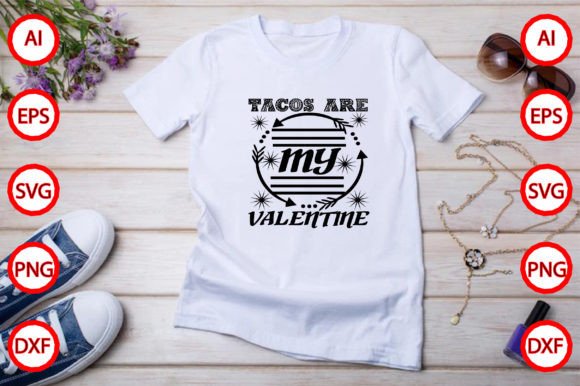
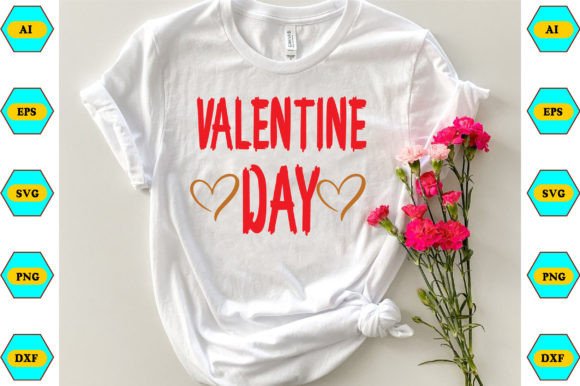
The inclusion of an Ai file allows for deep customization within Adobe Illustrator, which is essential for logo design adaptations or complex packaging design layouts. For designers using open-source software, the EPS file ensures compatibility with Inkscape and Corel Draw, making this a versatile digital product for freelancers with diverse toolkits. The ability to change colors seamlessly means you are not stuck with preset hues that might clash with a corporate client’s strict style guide.
Performance Across Print and Digital Mediums
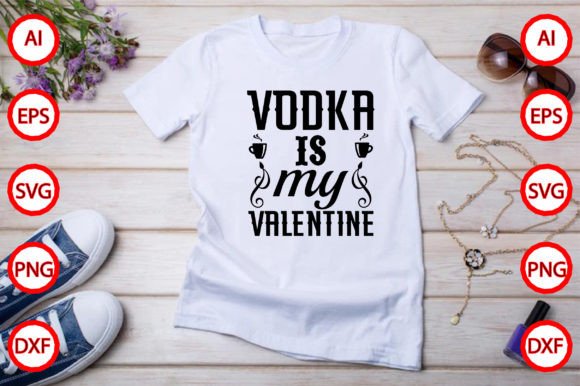
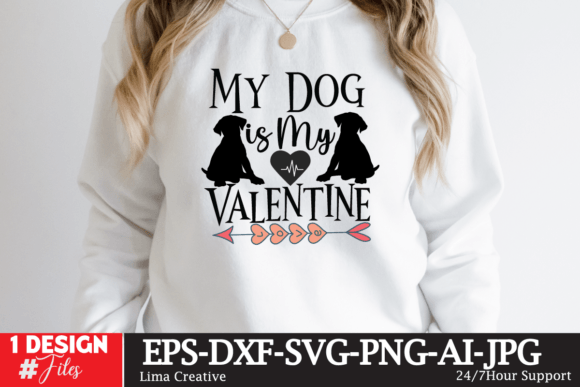
One of the most significant tests for any graphic design asset is how it performs across different mediums. I evaluated these graphics for both physical products and digital presence. For print-on-demand sellers, the SVG file is a standout feature. It integrates flawlessly into Cricut Explore and Silhouette workflows, making it ideal for sticker design, t-shirt design, and tote bag applications. The vector paths are clean, which reduces cutting errors and ensures crisp edges on vinyl and heat transfers.
In the realm of digital marketing, these graphics serve as excellent anchors for Instagram posts and Pinterest pins. When used in a Canva template, they provide a professional foundation that non-designers can build upon. However, I recommend using them as hero graphics or decorative accents rather than overwhelming backgrounds. Their strength lies in their clarity, so they perform best when given breathing room in the layout. For web design and blog visuals, the scalable nature of the SVG ensures they remain sharp on high-resolution retina displays, enhancing the overall user experience.
Strategic Placement and Visual Hierarchy
Understanding where to place these elements is key to maintaining visual hierarchy. In editorial design or flyer layouts, I suggest using the larger illustrations as focal points to draw the eye, while smaller elements can serve as subtle bullets or section dividers. They work exceptionally well in large layout areas where their details can be appreciated. However, caution is advised when using them in crowded layouts. If your design already contains heavy text or complex photography, adding these graphics might reduce readability and create visual noise.
For minimalist branding projects, these assets should be used sparingly. A single, well-placed illustration can convey the theme without compromising the clean aesthetic. In contrast, for a boutique product line or a local event poster, you can be more liberal with their use to create a festive atmosphere. The key is to ensure that the graphics support the message rather than distract from it. Always check contrast on light and dark backgrounds to ensure the elements remain visible and impactful.
Practical Designer Notes for Commercial Use
Before delivering any final files to a client, I always run a series of quality checks. Here is my practical workflow for integrating this Valentine Day bundle:
- Test in Black and White: Convert the graphics to grayscale to ensure they hold their shape and recognition value without color. This is vital for faxed documents or single-color printing.
- Inspect Vector Editability: Open the SVG and Ai files to check for stray points or ungrouped elements. Clean vectors save time during the editing process.
- Preview at Small Sizes: Scale the graphics down to favicon or mobile icon size. If details disappear, simplify the element or reserve it for larger formats like packaging design.
- Verify Licensing: Always confirm the commercial license terms. While this is listed under Freebies, ensuring you have the right to use it for Etsy products or client work is non-negotiable for professional integrity.
- Mockup Integration: Place the assets on real product mockups, such as mugs or tote bags, to see how they interact with curves and shadows. This helps identify any distortion issues early.
When pairing these illustrations with typography, consider the font style carefully. They complement script fonts and handwritten fonts beautifully, enhancing the romantic feel. However, for a more modern design approach, pair them with clean sans serif fonts to create a contemporary contrast. Avoid overly ornate display fonts that might compete with the intricate details of the illustration.
Final Verdict for Creative Professionals
The Valentine Day graphic design asset is a robust addition to any designer’s library. It bridges the gap between amateur craft supplies and professional design resources. For small business branding, it offers a cost-effective way to produce high-quality marketing visuals. For digital sellers and content creators, it provides the flexibility needed to adapt to various platforms, from sublimation design to social media graphics.
While it may not suit every corporate environment, its strength lies in its adaptability for creative marketplace projects. Whether you are designing a printable wall art piece, a custom invitation, or a limited-edition product label, this bundle delivers the necessary tools to execute a polished result. By treating it as a flexible component of your broader design strategy, you can leverage its aesthetic appeal to drive audience engagement and enhance emotional connection with your target market.
In conclusion, this is not just another freebie; it is a functional tool for modern designers. By respecting its limitations and leveraging its vector capabilities, you can create work that feels both personal and professionally executed. Keep it in your toolkit for those moments when a touch of warmth and elegance is required to elevate a standard design into something memorable.