Magic of Christmas 700: A Designer’s Practical Review
As an embroidery designer who has spent years digitizing patterns and troubleshooting stitch-outs for clients, I approach every new design with a critical eye. We all know that a pretty preview image does not always translate to a clean, professional finished product. When I first encountered Magic of Christmas 700, part of the current wave of holiday Freebies and digital Graphics circulating in our community, I wanted to look past the initial visual appeal. My goal was to determine if this asset holds up under the needle during real-world production, specifically for small business owners and serious hobbyists who cannot afford wasted thread or ruined fabric.
First Impressions and Visual Personality
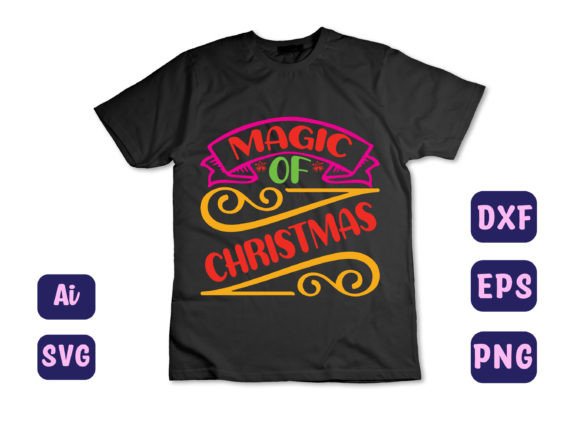
The immediate mood created by Magic of Christmas 700 is one of classic, understated holiday warmth. It avoids the cluttered, overly complex aesthetics that often plague seasonal designs, opting instead for a cleaner layout that respects the limitations of embroidery machinery. The shape and theme suggest versatility; it feels at home on both traditional and modern decor. For a designer, this balance is crucial. If a design is too intricate, it risks becoming a muddy mess of thread on textured fabrics. If it is too simple, it may lack the perceived value customers expect from a handmade product.
The detail level appears moderate, which is generally a safe bet for multi-purpose use. However, visual personality is only half the battle. The true test lies in how these lines convert to stitches. Does the design rely heavily on dense fill stitch areas that could cause puckering? Or does it utilize strategic running stitch outlines and open spaces to let the fabric breathe? In my assessment, the layout suggests a thoughtful approach to spacing, which is a positive indicator for stitch clarity.
Real-World Application: The Custom Tote Bag Scenario
To evaluate Magic of Christmas 700 practically, I imagined a common scenario for many Etsy sellers and craft entrepreneurs: preparing a batch of custom embroidered tote bags for a holiday market. Tote bags are typically made from canvas or heavy cotton, fabrics that can be unforgiving if the stitch density is too high or the stabilizer is insufficient.
In this context, the design would serve as a central focal point. I would likely pair it with a rich red or forest green thread to maximize contrast against natural canvas. The key here is readability. Customers browsing a craft fair need to recognize the motif from a few feet away. Magic of Christmas 700 seems to possess the boldness required for this distance viewing. It would also translate well to a sweatshirt embroidery project, where the texture of fleece requires a design that sits cleanly on the surface without sinking into the pile.
For those creating personalized gifts, such as baby items or kitchen towels, the scale becomes critical. While the design is charming, I would advise caution when scaling it down significantly for small hoop size applications, such as baby bibs or pocket accents on shirts. Tiny details can get lost or merge together when reduced, potentially compromising the integrity of the original artwork.
Navigating Fabric and Technical Challenges
Every embroidery file has its weaknesses, and understanding them is part of professional due diligence. Where should you use Magic of Christmas 700 carefully? First, consider textured fabrics like terry cloth or thick wool blends. If the design contains fine lines or small text elements, these may disappear into the fabric’s texture. In such cases, using an applique technique might be a smarter choice than direct stitching, though this depends on whether the file supports such modifications.
Dark fabrics present another challenge. If you are stitching on black or navy blue, ensure your thread colors have sufficient brightness. A muted palette might vanish against dark backgrounds, reducing the impact of the holiday embroidery. Additionally, when working on stretchy fabrics like jersey knits for custom apparel, proper stabilization is non-negotiable. Even a well-digitized design will distort if the fabric shifts during stitching. Always test on scrap fabric first to gauge how the material reacts to the needle penetration.
Curved surfaces, such as caps or hats, require special attention. The curvature can distort the perception of the design’s proportions. I recommend placing the design on the front panel of a cap rather than the side, where distortion is more pronounced. For embroidered patch creation, the design’s border definition is vital. Ensure the edges are crisp enough to be cut cleanly after stitching, especially if you plan to sell these as standalone accessories.
Commercial Viability and Brand Consistency
For small shop product lines, consistency is key to building brand trust. Magic of Christmas 700 offers a professional aesthetic that can enhance the perceived value of your finished product. When customers see clean, well-executed stitching, they associate it with quality and care. This design can serve as a reliable staple in your seasonal catalog, complementing other items without overpowering them.
However, before integrating this into your craft business workflow, you must verify the licensing terms. Since this is listed under Freebies, the rules for commercial use can vary. Some free files are for personal use only, while others allow limited commercial sales. Always read the specific license included with the download. If you are creating digital embroidery file bundles or selling physical items, clarity on rights is essential to avoid legal issues.
Practical Designer Notes for Best Results
To get the most out of Magic of Christmas 700, follow these practical steps:
- Test on Scrap Fabric: Never stitch directly on your final garment. Use a similar weight and type of fabric to check for puckering or thread breaks.
- Check Thread Color Contrast: View your design in black and white mockups to ensure the shapes remain distinct without color reliance.
- Review Stitch Density: If possible, inspect the file in your embroidery software to identify any unusually dense areas that might need manual adjustment.
- Confirm Hoop Size: Ensure the design fits comfortably within your machine’s hoop, leaving adequate margin for framing.
- Use Proper Stabilizer: Match your stabilizer to your fabric. Cut-away for knits, tear-away for wovens, and wash-away for delicate materials.
- Verify File Compatibility: The product description mentions SVG and DXF files for cutting machines like Silhouette and Cricut. If you are using an embroidery machine, ensure you have the correct embroidery format (such as PES, DST, or JEF) which may need to be converted or sourced separately if not explicitly provided in the digital download.
In conclusion, Magic of Christmas 700 presents itself as a versatile and visually appealing option for holiday projects. Its strength lies in its balanced composition and adaptability across various mediums, from tote bag design to nursery decor. By approaching it with a designer’s mindset—testing, adjusting, and respecting material limitations—you can transform this digital asset into a high-quality embroidery project that delights customers and enhances your portfolio. Remember, the magic is not just in the design, but in the precision of its execution.