No Chicks Allowed: A Designer’s Practical Review
As an embroidery designer who has spent years digitizing patterns and troubleshooting stitch-outs for clients, I approach every new machine embroidery design with a mix of curiosity and caution. We have all seen those trendy graphics that look fantastic on a screen but turn into a tangled mess under the needle. When I first encountered No Chicks Allowed, my initial reaction was not just about the humor or the bold statement, but about its structural integrity. Is this a viable asset for a serious craft business, or is it just another novelty graphic? After reviewing the files and considering its application in real-world scenarios, I have formed a clear opinion on where this design fits best in a professional workflow.
First Impressions and Visual Personality
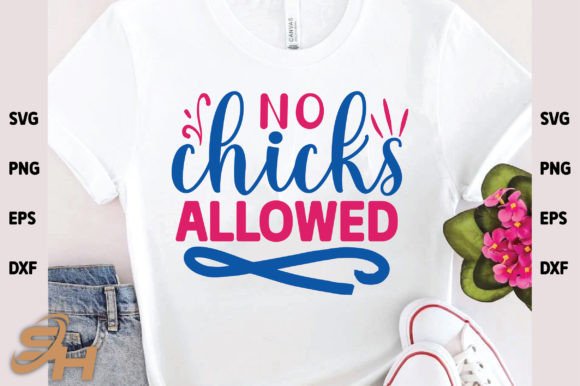
The mood of No Chicks Allowed is unapologetically bold. It carries a playful yet assertive tone that immediately grabs attention. From a layout perspective, the design relies heavily on strong lines and clear typography, which is generally good news for embroidery. Unlike intricate illustrations that require thousands of stitches to convey detail, this type of graphic thrives on simplicity. The visual personality suggests it belongs on items meant to be seen and read from a distance. It does not try to be subtle, and that is its strength. For an Etsy seller or boutique owner, this kind of immediate visual communication can drive engagement, especially when customers are scrolling through hundreds of listings.
Since this product is listed under Freebies and categorized as Graphics, it is essential to remember that you are working with vector and raster assets rather than pre-digitized stitch files. This distinction is crucial. You will need to digitize these graphics yourself or hire a digitizer to convert them into a usable embroidery file. The provided formats—SVG, PNG, EPS, and DXF—are excellent starting points. The SVG and EPS files allow for precise scaling without losing quality, which is vital when adjusting the design for different hoop sizes.
Real-World Application: The Tote Bag Test
To evaluate the practicality of No Chicks Allowed, I imagined applying it to a heavy-duty canvas tote bag. This is a common handmade product that sells well at craft fairs and online. On a textured fabric like canvas, fine details often get lost. However, because this design features bold shapes and likely substantial lettering, it should hold up well. The key here is managing the stitch density. If you are converting the SVG into an applique design, you can reduce bulk by using fabric patches for the larger solid areas. This technique not only saves thread but also prevents the fabric from puckering, a common issue with dense fill stitch areas on thick materials.
Another strong candidate for this design is a sweatshirt. Sweatshirt embroidery requires careful handling of stretchy fabrics. Placing a large, dense design on the chest of a fleece garment can cause distortion. By using a cut-away stabilizer and potentially breaking the design into smaller sections or using a lighter running stitch outline, you can maintain the garment's comfort while ensuring the design remains crisp. The humorous nature of the phrase makes it a perfect fit for casual wear, appealing to customers looking for personalized, conversation-starting pieces.
Navigating Technical Challenges
While the design is visually striking, there are areas where caution is necessary. If you plan to use No Chicks Allowed on a curved surface, such as a cap, you must be mindful of the design's width. Caps have limited hoop space, and stretching the design too wide can distort the lettering. Additionally, small details in the typography might merge if the thread colors do not contrast sufficiently with the fabric. For example, stitching white thread on a light gray hat will result in poor visibility. Always test your color combinations on scrap fabric before committing to the final finished product.
Textured fabrics present another challenge. If you are embroidering on a waffle-knit towel or a ribbed sweater, the texture can interfere with the clarity of small elements. In such cases, simplifying the design or increasing the size slightly can help maintain legibility. For dark fabrics, ensure you use a high-contrast thread color. A printable mockup can help visualize this, but nothing replaces a physical test stitch. Check how the light hits the threads; satin stitches can reflect light differently than fill stitches, affecting the overall readability of the text.
Commercial Viability and Brand Consistency
For small shop product lines, consistency is key. No Chicks Allowed fits well within a brand identity that is bold, modern, and slightly irreverent. It may not suit a delicate, vintage-inspired nursery line, but it would excel in a collection of kitchen accessories or casual apparel. When used as part of a broader range of design assets, it adds variety and appeal to different customer segments. Remember, even though this is a free graphic, the value lies in how you execute it. High-quality stitching, proper finishing, and thoughtful fabric selection elevate a simple graphic into a premium personalized gift.
Before selling any items made with this design, verify the licensing terms. While the download includes various file formats suitable for cutting machines and digital design, commercial use rights for the final embroidered product may vary. Always confirm whether the creator allows for commercial sales of physical items. This step is critical for maintaining professionalism and avoiding legal issues down the line. If the license permits, this design can be a valuable addition to your commercial embroidery portfolio, offering a quick-to-produce item with high perceived value.
Final Designer Notes
My advice for anyone using No Chicks Allowed is to start with a test run. Use scrap fabric similar to your final material. Check the tension of your machine, as bold designs can sometimes pull the fabric if the tension is too tight. Inspect the small corners of the letters for thread breaks or looping. If you are new to digitizing, consider using software that automatically generates stitch paths from SVGs, but always review and adjust the settings manually. Pay attention to the order of operations; stitching outlines before fills can help anchor the design and reduce shifting.
In conclusion, No Chicks Allowed is a versatile graphic with strong potential for various embroidery projects. Its bold nature makes it forgiving on textured fabrics and visible from a distance, making it ideal for tote bags, sweatshirts, and patches. By paying attention to technical details like stabilizer choice, stitch density, and thread contrast, you can transform this digital asset into a high-quality handmade item. Whether you are an experienced apparel decorator or a hobbyist looking to expand your skills, this design offers a fun and practical opportunity to create something memorable.